
Tonight's film
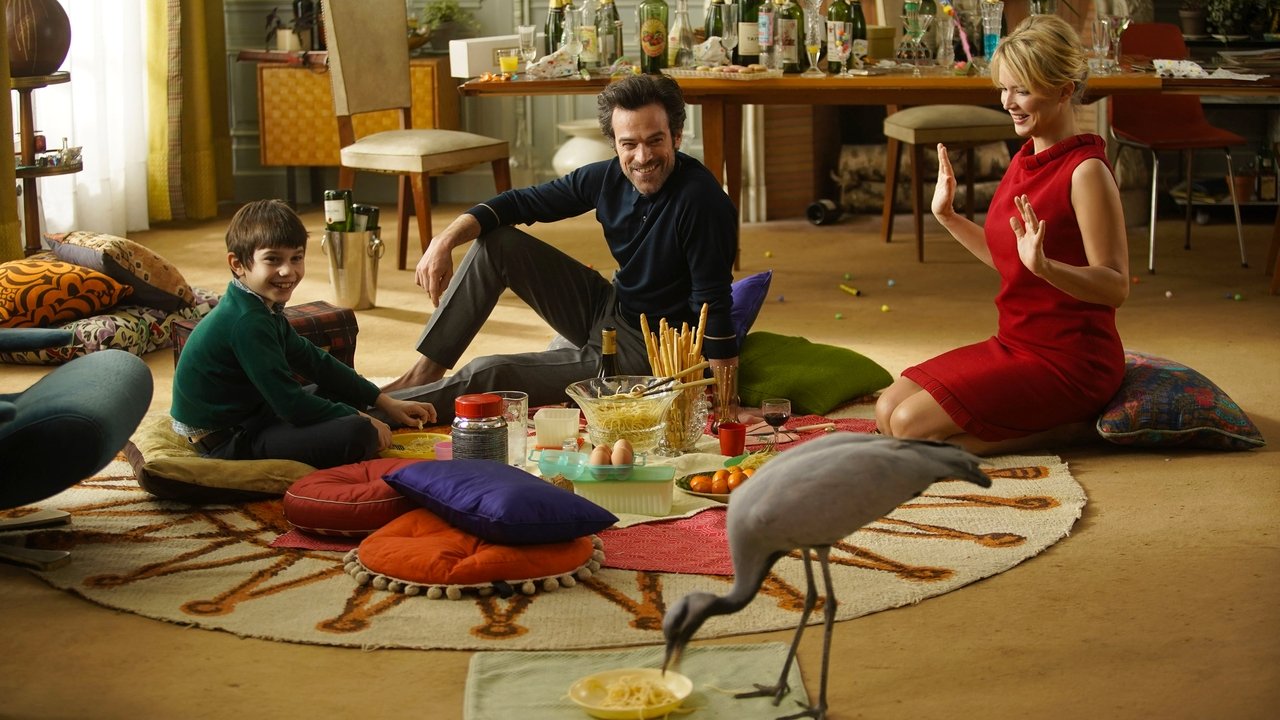
Waiting for Bojangles
2021 · Régis Roinsard · ★ 7.3
A boy and his eccentric parents leave their home in Paris for a country house in Spain. As the mother descends deeper into her own mind, it's up to the boy and his father to keep her safe and happy.
Cineapse: French films off the main road, from A Heart in Winter, Full Time and Café de Flore to French Cancan, Three Men and a Cradle and Waiting for Bojangles, and where to watch them
169 French-language films, 1945 to 2026, chosen for the whole household.
Comedy
See all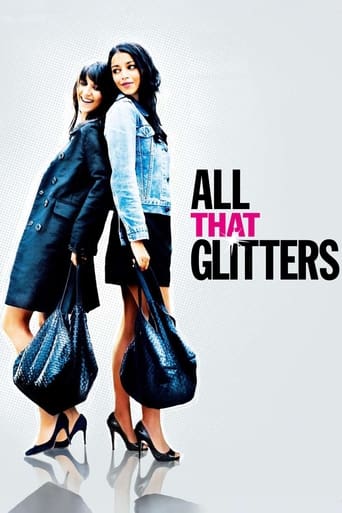
Drama
See all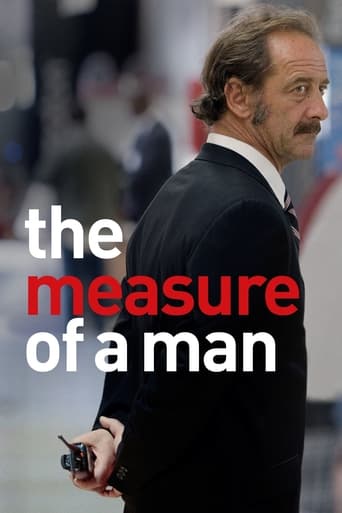


Romance
See all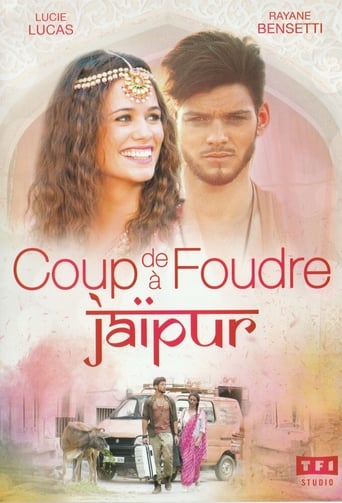
Classics, 1945 to 1979
See all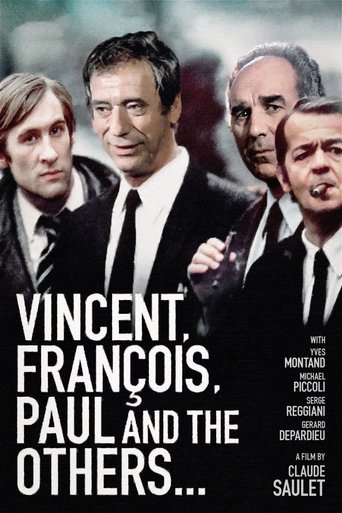
New, 2020 onwards
See all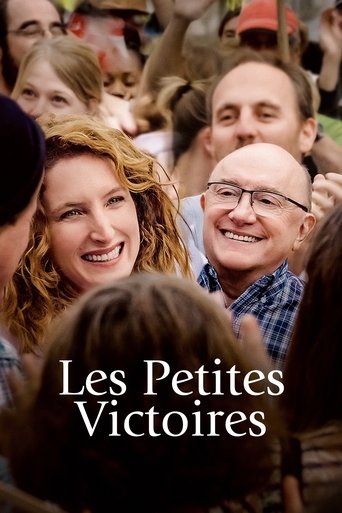

The Cineapse guide to French film
Cineapse: French films off the main road, from A Heart in Winter, Full Time and Café de Flore to French Cancan, Three Men and a Cradle and Waiting for Bojangles
Every country's cinema has a main road and a network of smaller ones. On the main road of French film stand the dozen titles that every list repeats. On the smaller roads stand the films the French themselves hold dear: the comedy that filled the cinemas of 1985 and still plays on television every winter, the chamber drama about a violin maker that critics return to each decade, the modest story of a village mayor who also teaches the village school. Cineapse is a guide to those smaller roads: 169 French-language films made between 1945 and 2026. Each has its own page, its story, its director and cast, and a Watch now button that leads to the official services carrying it in your country.
The catalogue has been chosen for the whole household. Every film was read through by hand, and the selection favours comedy, humane drama, romance and the gentler classics. Thrillers, horror, stories of the battlefield and films made strictly for adults were left out. What remains is France at its most companionable: three bachelors who find a baby at their door, a postman on a bicycle determined to deliver the mail as fast as the Americans, a single mother sprinting across Paris to keep her job and her children's bedtime, and a retired judge dictating his memoirs to a young woman who types faster than he can think.
This guide explains how the catalogue is arranged, which films make the best first evening, and how the lists, the search field and My List work together. It is written in English for viewers anywhere, and every title it names is a link to that film's page.
What Cineapse offers
Cineapse is a viewing guide. Each of its 169 film pages carries a poster, a still, the story in a paragraph, the year, the running time, the director, the principal cast and the French title beside the English one. Beneath them sits one button, Watch now, which opens JustWatch for the country you select and shows the subscription, rental, purchase and free services that carry the film there. The guide itself holds pages of information, and the playing of every film happens on those official services.
The films come from four French-speaking places. Most were made in France; a handful come from Belgium and Switzerland; and seven come from Quebec, where a separate French-language cinema has flourished since the sixties. Together they span eighty-one years. Seventeen date from 1945 to 1959, twenty-six from the sixties and seventies, twenty-five from the eighties and nineties, twenty-one from the first decade of this century, thirty-six from the 2010s and forty-four from 2020 onwards.
By kind, 111 of the films are comedies or carry comedy within them, and 116 are dramas; many are both at once, which is a very French habit. Fifty-seven tell love stories, eighty turn on family life, thirty-five concern music or the stage, and thirty-seven are costume films, true stories or adventures. Each of these groups has its own list, reached from the menu or from the foot of every page.
The home page is arranged as a programme. At the top stands tonight's film with its still, year and director. Under it a numbered strip suggests five more. Then come five numbered rows of six posters each: comedy, drama, romance, the classics from 1945 to 1979, and the new films from 2020 onwards. This guide forms the sixth section. A visitor who reads only the rows will already have thirty good choices in view; a visitor who reads on will find the reasoning behind them.
A first evening
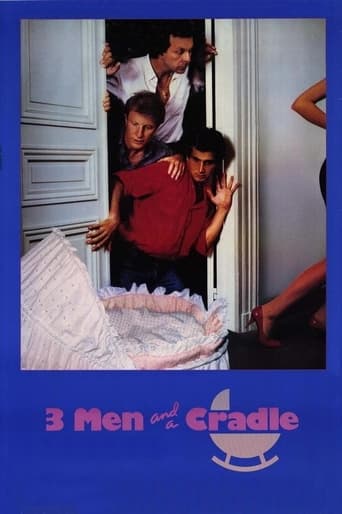
For a first evening, three films recommend themselves, one from each of the catalogue's moods. The comedy is Three Men and a Cradle, written and directed by Coline Serreau in 1985. Three contented bachelors share a grand Paris apartment and a rule that guests stay one night only. Then a basket appears on the landing with a baby named Marie inside it and a note from her mother, who has left for six months of work in America. Bottles, nappies and night feeds follow, the men's careers wobble, and by the time the mother returns the three of them are quietly bereft. France bought more than ten million tickets, Hollywood remade it, and the original remains the warmer film.
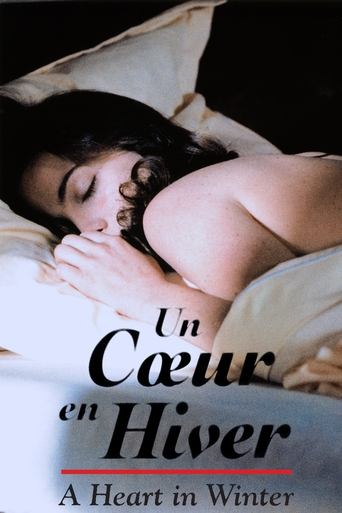
The drama is A Heart in Winter, which Claude Sautet made in 1992. Stéphane, played by Daniel Auteuil, repairs and builds violins with a watchmaker's precision and keeps the same distance from people that he keeps from dust. His business partner falls in love with Camille, a young violinist recording the Ravel sonatas, and Camille, played by Emmanuelle Béart, turns her attention to the silent craftsman instead. The film listens to them as closely as Stéphane listens to an instrument, and Ravel's trio does much of the talking.
The film of today is Full Time, made by Eric Gravel in 2022. Julie, played by Laure Calamy, is head chambermaid in a five-star Paris hotel and lives with her two children in a village an hour away by train. In the week of an interview that could restore her former career, a transport strike stops the trains. The film follows her at a run, by coach, by borrowed car, by hitched lift and on foot, and makes an ordinary working week as gripping as any chase. Calamy won the best actress prize in the Horizons section at Venice for it.
Any one of the three will show what the catalogue is for. Together they cover a weekend, and each leads onward: Serreau to The Crisis, Sautet to Nelly and Monsieur Arnaud, and Gravel's working Paris to The Measure of a Man and Between Two Worlds.
The comedy shelf
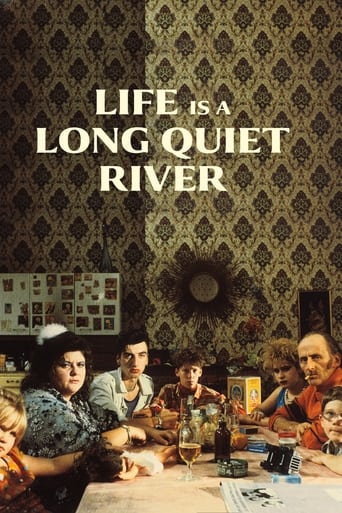
Comedy is the largest shelf on Cineapse, and its best-loved films of the eighties and nineties are a fine place to start. Life Is a Long Quiet River, Étienne Chatiliez's first feature from 1988, begins with a nurse's small act of mischief: twelve years earlier she exchanged two babies, one from the prosperous, hymn-singing Le Quesnoy family and one from the cheerfully disorderly Groseilles. When the truth comes out, young Momo moves across town into the house of polished shoes and guitar evenings, and both households are shaken into life. Chatiliez returned in 1995 with Happiness Is in the Field, in which Michel Serrault plays a harassed factory owner from the east who is mistaken on television for a long-lost husband from the Gers and decides that a duck farm, a welcoming wife and two grown daughters would suit him very well.
Patrice Leconte appears twice. Come to My Place, I Live at a Girlfriend's gave Michel Blanc one of his defining parts in 1981 as Guy, the friend who asks to stay a few days and gradually takes over the flat. Tandem, from 1987, is deeper and finer: Jean Rochefort plays Michel Mortez, who for twenty-five years has driven from town to town presenting a radio quiz, with Gérard Jugnot as the devoted sound man who learns that the programme is to end and keeps the news to himself. It is a road film about loyalty, and the two actors are a joy.
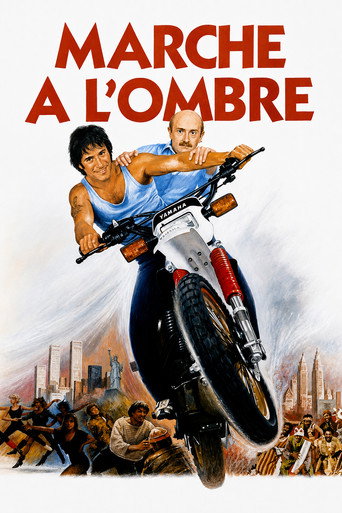
Michel Blanc turned director in 1984 with Marche à l'ombre, playing an anxious worrier beside Gérard Lanvin's easygoing musician as the pair arrive in Paris with a guitar and very little else. Jugnot directed himself in 1991 in Une époque formidable, the story of an executive who loses his position, keeps up appearances, and finds unexpected comradeship among three men of the street led by Richard Bohringer. Jean-Marie Poiré's My Best Pals, from 1989, gathers five old friends for a weekend when the singer they all once adored comes back from Canada a star.
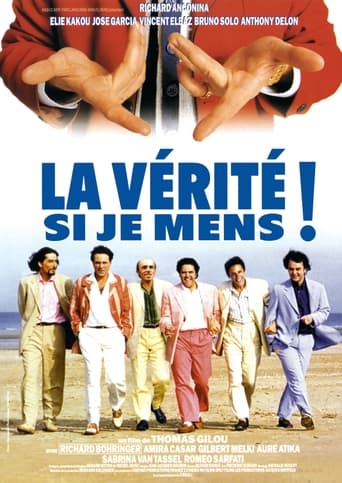
Coline Serreau followed her great success with The Crisis in 1992, in which Vincent Lindon's lawyer loses his wife and his post on the same morning and discovers, as he goes from friend to friend in search of a listening ear, that everyone is too busy with troubles of their own; only a cheerful sponger played by Patrick Timsit will keep him company. Would I Lie to You?, Thomas Gilou's 1997 hit, sends Richard Anconina's penniless Eddie into the fabric trade of the Sentier district, where a kindly boss assumes he belongs to the community and Eddie lets the assumption stand.
Pierre Richard, the tall fair-haired dreamer of French comedy, directs himself in Too Shy to Try, from 1978, as a hotel cashier in Vichy so bashful that he enrols in a correspondence course on confidence, and the course sends its most persistent coach, Aldo Maccione, to help him win the girl he glimpsed in the lobby. From the same year comes Le Pion, in which Henri Guybet's put-upon school supervisor writes a novel in secret and wins a literary prize. And That's Show Business, Jean Yanne's noisy 1975 satire, follows a music-hall impresario and his overbearing empire.
Tati, Étaix and the quiet clowns
French comedy has a second tradition that works almost in silence. Jacques Tati's School for Postmen, a short film of 1946, is where it begins here: Tati plays a village postman trained in the new high-speed methods, flinging letters from a bicycle that seems to have ideas of its own. Every gag is built from movement and timing, and the film served as the sketch for his first feature.
Tati's assistant and gag-writer was Pierre Étaix, a circus clown, illustrator and film-maker whose work spent decades out of sight before its restoration. Cineapse has two of his features. The Suitor, from 1962, presents a studious young man devoted to astronomy whose parents urge him to marry; he sets about courtship with scientific method and falls for a singer he has seen on television. Le Grand Amour, from 1969, finds him married, comfortable and suddenly dreaming about his new young secretary. Its most famous sequence sends beds rolling along country roads like motor cars, stopping at junctions and breaking down on the verge. Both films are gentle, exact and full of invention, and they suit viewers of any age.
René Clair, a master of the previous generation, is represented by two late comedies. In Beauties of the Night, from 1952, Gérard Philipe plays a poor music teacher who escapes the noise of his street by dreaming himself into grander centuries, each with a beautiful woman and each, as the dreams go on, with its own complications. All the Gold in the World, from 1961, gives Bourvil three parts, a stubborn old farmer and his two sons, in a village that a property developer wishes to buy whole for the sake of its long-lived air.
Bourvil, with his countryman's innocence and perfect timing, appears four times in the catalogue. Crazy for Love, from 1952, has him obliged to pass his primary school certificate in order to inherit an inn. Sunday Encounter pairs him with Danielle Darrieux. And The Wise Guys, Robert Enrico's 1965 adventure in the forests of the Vosges, puts him beside Lino Ventura at a struggling sawmill. Fernandel, the other great face of the period, plays a tailor with dreams of high fashion in Fernandel the Dressmaker and meets the Italian comedian Totò in The Law Is the Law, set in a village that the border between France and Italy cuts in two.
Claude Sautet and the films of friendship
Claude Sautet is the catalogue's central director, and three of his films show why the French speak of a Sautet mood: cafés full of talk, rain on windscreens, Sunday lunches in the country, and men and women of a certain age taking stock. Vincent, Francois, Paul and the Others, from 1974, is the group portrait. Yves Montand is Vincent, owner of a small workshop whose finances and marriage are both giving way; Michel Piccoli is François, a doctor grown comfortable; Serge Reggiani is Paul, a writer stalled on his book; and the young Gérard Depardieu is the boxer they all go to cheer. The film moves from table to table and weekend to weekend, and its affection for these fallible friends is complete.
A Heart in Winter, already described, came eighteen years later and is the most admired of his late films. His last, Nelly and Monsieur Arnaud, followed in 1995. Emmanuelle Béart is Nelly, short of money and newly separated; Michel Serrault is Arnaud, a retired judge and businessman who offers to settle her debts and then to employ her typing his memoirs. Day after day they sit on either side of a desk, correcting sentences and, by small degrees, each other. Serrault won the César for best actor and Sautet the César for best director. It is a film about attention, and one of the most graceful farewells any director has made.
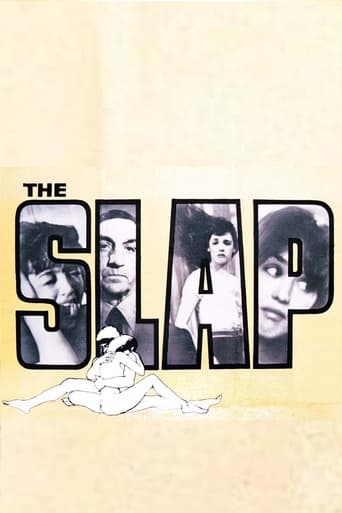
The films of friendship continue outside Sautet's work. Claude Pinoteau's The Slap, from 1974, casts Lino Ventura as a geography teacher raising his teenage daughter alone; she is played by Isabelle Adjani, then eighteen, and the quarrel that gives the film its title sends her off towards England and him after her. Annie Girardot is the mother she goes to find. Pinoteau returns in 1997 with Pierre and Marie, in which Isabelle Huppert and Charles Berling play Marie and Pierre Curie as a pair of brilliant, impractical enthusiasts in a draughty shed, with Philippe Noiret as the head of their school.
Martine Dugowson's Mina Tannenbaum, from 1994, follows two girls born on the same day in Paris, one who will paint and one who will write for a magazine, through twenty-five years of closeness and distance; Romane Bohringer and Elsa Zylberstein are both remarkable. Dugowson's second film, Shadow Play, sets two costume designers, played by Bohringer and Helena Bonham Carter, to work on the same production. And Pierre Salvadori's The Apprentices, from 1995, lets François Cluzet and Guillaume Depardieu drift through Paris as two flatmates whose schemes fail one by one and whose friendship holds.
Working lives
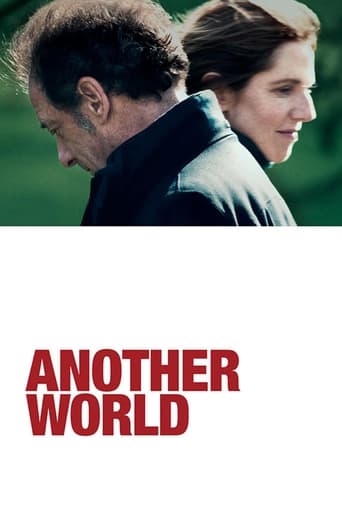
French cinema takes work seriously, and Cineapse has a whole list for it. Stéphane Brizé and the actor Vincent Lindon made a trilogy on the subject, and two parts are here. In The Measure of a Man, from 2015, Lindon plays Thierry, fifty-one, a machinist who has been out of work for twenty months; the film sits beside him through retraining sessions, a video interview and a meeting at the bank, and then into a new post as a supermarket security guard that tests his conscience. Lindon won the best actor prize at Cannes. In Another World, from 2022, he is on the other side of the table: a factory director asked by head office for one more round of savings, with Sandrine Kiberlain as his wife.
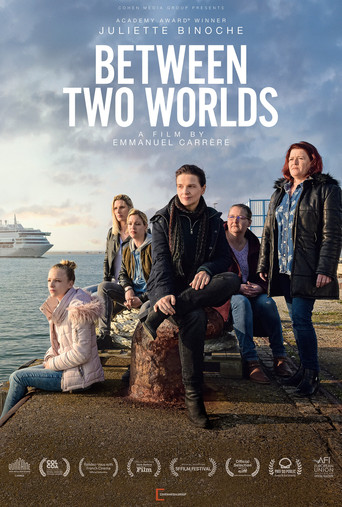
Laurent Cantet's first feature, Human Resources, from 1999, sends a business student home to do his placement in the management offices of the factory where his father has stood at the same machine for thirty years. Nearly everyone in it apart from the lead was cast from people doing those very jobs. Emmanuel Carrère's Between Two Worlds, from 2022, has Juliette Binoche as a well-known author who moves to Caen and takes cleaning shifts on the cross-Channel ferries in order to write about the work truthfully; the women who befriend her there are the heart of the film.
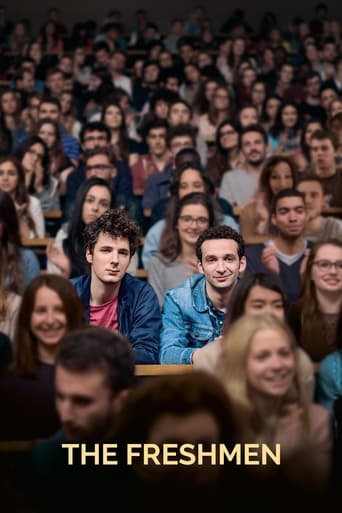
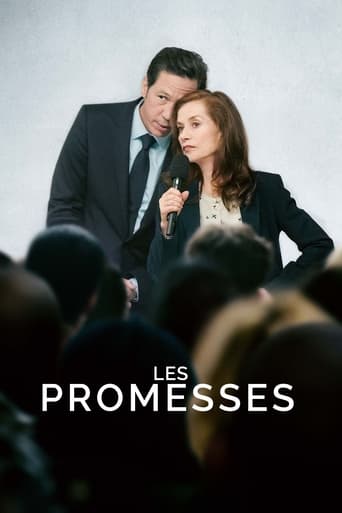
Lighter in tone, The Freshmen, which the doctor turned director Thomas Lilti made in 2018, follows two students through the ferocious first year of medical school in Paris, one on his third attempt and one newly arrived, played by Vincent Lacoste and William Lebghil. Thomas Kruithof's Promises, from 2022, gives Isabelle Huppert the part of a mayor on the edge of Paris in the last months of her term, fighting for the renovation of a housing estate with her chief of staff, played by Reda Kateb. And The Astronaut, from 2023, is the pleasing tale of an engineer at the Ariane rocket works who has spent years building his own rocket in a barn on his grandmother's farm, with Mathieu Kassovitz as the former astronaut who agrees to help.
Farms and shops have their films too. In The Grocer's Son, from 2007, a young man who left Provence for the city returns for a summer to drive his family's grocery van around the hill villages, and learns to like his customers. You Are So Beautiful, Isabelle Mergault's 2005 comedy, sends Michel Blanc's widowed farmer to Romania in search of a wife to help with the land. And Sébastien Pilote's The Auction, from Quebec, is a tender portrait of a sheep farmer who will give up anything for his two daughters in the city.
The classics, 1945 to 1979
Forty-three films on Cineapse date from before 1980, and the classics guide sets them out by decade. The oldest is A Cage of Nightingales, made by Jean Dréville in 1945. Its star plays a supervisor at a strict boarding school who wins over his unruly boys by forming them into a choir. Sixty years later the story was filmed again as The Chorus, and viewers who love that film will find its source just as touching.
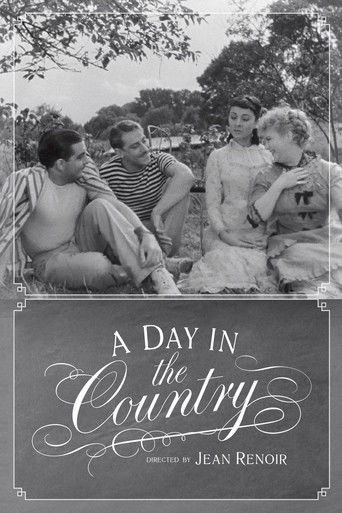
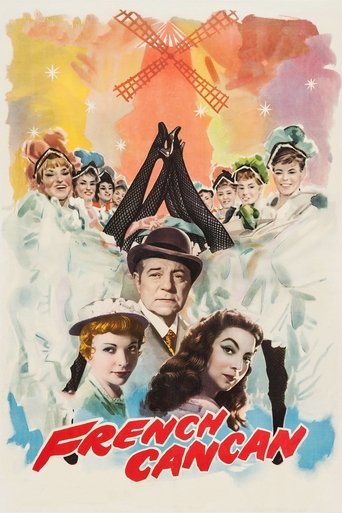
Jean Renoir, son of the painter and the most generous spirit in French cinema, has three films here. A Day in the Country, shot in 1936 and released in 1946, lasts forty minutes and holds a whole lifetime: a Parisian shopkeeper's family spends a summer Sunday by the river, the daughter goes rowing with a young man, and the afternoon stays with her for good. French Cancan, from 1955, is his return to France in full colour. Jean Gabin plays the impresario who opens the Moulin Rouge and turns a laundress, played by Françoise Arnoul, into its star dancer; the final cancan fills the screen for many minutes and is among the happiest things ever filmed. Picnic on the Grass, from 1959, was shot at his father's house in Provence and teases a solemn scientist until the countryside wins him over.
Jacques Becker's Edward and Caroline, from 1951, takes place in a single evening. A young pianist is to play at a grand reception given by his wife's wealthy uncle; a waistcoat goes missing, a dress is altered with scissors, words are exchanged, and the marriage teeters and rights itself before midnight. Daniel Gélin and Anne Vernon are delightful, and the film is as light as a soufflé.
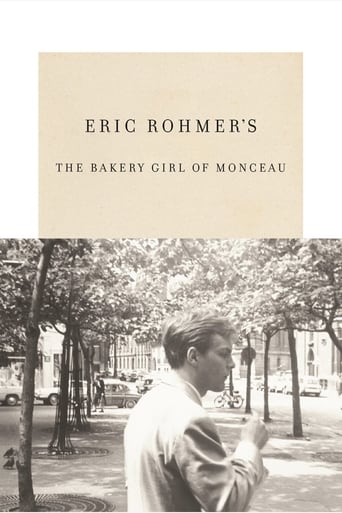
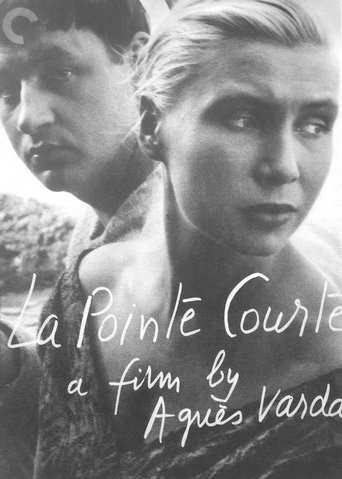
The young directors of the New Wave appear in miniature. François Truffaut's Antoine and Colette, from 1962, is the half-hour second chapter in the life of Antoine Doinel, now seventeen, working for a record company and courting a girl he meets at a concert by moving into the hotel opposite her parents' flat; the parents adore him and Colette treats him as a friend. Éric Rohmer's The Bakery Girl of Monceau, from 1963, is the first of his six moral tales, in which a student searching the streets for one young woman passes the time by charming another across a bakery counter. Jean-Luc Godard's A Story of Water, begun by Truffaut, sends a girl through the floods outside Paris. And Agnès Varda's La Pointe Courte, from 1956, made five years before any of them, weaves a couple's long conversation into the life of a fishing quarter at Sète, with the young Philippe Noiret in his first screen part.
From the sixties come several rewarding surprises. René Allio's The Shameless Old Lady, from 1965, is adapted from a Brecht story: a widow of seventy in Marseille, who has spent her life serving others, sells the furniture, buys a small car, makes friends with a waitress and a cobbler, and enjoys every remaining day. Sylvie, then eighty-two, is magnificent. Henri Colpi's The Long Absence, which shared the Palme d'Or in 1961, has Alida Valli as a café owner who believes a passing tramp may be her husband, missing these sixteen years. Henri Verneuil's The President, from the same year, gives Jean Gabin one of his great authority roles as a retired statesman dictating his memoirs, with Bernard Blier as the protégé he once caught out.
Yves Robert's Bebert and the Train, from 1963, is the classic for the youngest members of the household: a small boy with a fondness for fireworks is left on a night train by his distracted elder brother, and half the railway staff of the Paris suburbs join the search. Philippe de Broca's first feature, The Love Game, from 1960, has Jean-Pierre Cassel dancing through the part of a painter who would rather stay a bachelor. Édouard Molinaro's Male Hunt, from 1964, written by Michel Audiard, assembles Jean-Paul Belmondo, Jean-Claude Brialy, Françoise Dorléac and Catherine Deneuve around a wedding that several people would like to stop.
Into the seventies
The seventies films are looser and sunnier. Jacques Rozier's Near Orouët, from 1973, simply goes on holiday: three young women from a Paris office spend September in a villa on the Vendée coast, laughing at everything, and the manager of one of them, played by Bernard Menez, turns up hoping to be included. Little happens and all of it is true to life; it has become a touchstone for the directors of today. Guillaume Brac's Stranded, from 2009, in which a cyclist is stuck for a night in a small Picardy town, and Valentine Cadic's That Summer in Paris, set during the 2024 Olympic Games, are its direct descendants and both are on Cineapse.
Claude Berri's Le Cinema de Papa, from 1971, is his affectionate account of his own youth, with Yves Robert as the furrier father who dreams of seeing his son on the screen. Alain Cavalier's Fill 'er Up with Super, from 1976, was written with its four young actors and sends them south in a large American estate car that one of them has to deliver, talking all the way. William Klein's Who Are You, Polly Maggoo?, from 1966, is a black-and-white satire of the fashion world by a great photographer, and a feast for the eye. And from Quebec, Jean Beaudin's J.A. Martin Photographer, from 1977, lets a wife join her husband on his yearly tour with horse, cart and camera; Monique Mercure shared the best actress prize at Cannes.
Music, song and the stage
Thirty-five films concern performers, and the music and stage guide lists the best. Classical music runs through several. Gérard Corbiau's The Music Teacher, from 1988, stars the Belgian bass-baritone José van Dam as a great singer who retires at the height of his fame to train two pupils in a country house, a young woman and a gifted pickpocket, for a contest arranged by an old rival. The soundtrack of Mahler, Verdi and Schubert sold in vast numbers. René Féret's Mozart's Sister, from 2010, imagines the girlhood of Nannerl Mozart, five years older than Wolfgang and a prodigy herself, on the family's coach tour to Versailles; Féret cast his own daughter in the part.
Two recent films tell true stories of young women in music. Divertimento, from 2023, follows Zahia Ziouani, a seventeen-year-old from the suburb of Pantin who is determined to conduct, and her twin sister Fettouma, a cellist; with the encouragement of the maestro Sergiu Celibidache, played by Niels Arestrup, they found an orchestra of their own that plays to this day. Prodigies, from 2024, is drawn from the lives of the pianists Diane and Audrey Pleynet: twin sisters at a German conservatoire learn that a hereditary condition is weakening their hands and invent a way of playing together. Alix Delaporte's The Last Hammer Blow brings a boy of thirteen to the Montpellier opera house to meet the conductor who is his father, rehearsing Mahler's sixth symphony.
Tony Gatlif's Swing, from 2002, is the catalogue's most joyful music film. Ten-year-old Max, spending the summer with his grandmother near Strasbourg, hears the guitar of the Manouche player Miraldo, swaps his personal stereo for an old instrument, and learns gypsy jazz while roaming the river banks with a fearless girl named Swing. The guitarist Tchavolo Schmitt plays Miraldo, and the sessions around the caravans are the real thing.
Popular song has its place. The Singer from Mexico, from 1957, carries Luis Mariano's tenor from the Basque country to Paris and across the ocean, with Bourvil and Annie Cordy for company. Alex Lutz's Guy, from 2018, is a mock documentary of great tenderness about an ageing crooner on one more tour, filmed by a young man who believes the singer is his father; Lutz, in his thirties, plays the seventy-four-year-old under superb make-up and won the César for best actor. Song Express imagines a business that delivers songs to the doorstep. Chantal Akerman's Golden Eighties is a candy-coloured musical set among the hair salon, the clothes shop and the café of a Brussels shopping arcade.
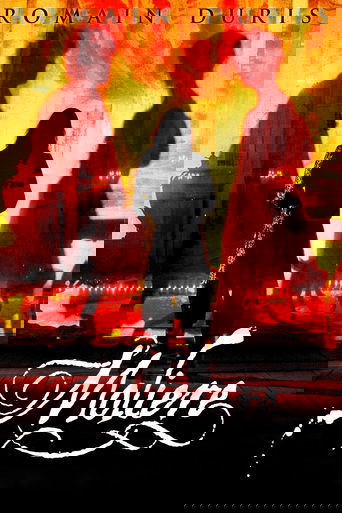
The theatre is just as well served. Laurent Tirard's Moliere, from 2007, invents the missing months of the playwright's youth: Romain Duris plays the struggling actor hired by the wealthy Monsieur Jourdain, a peerless Fabrice Luchini, to coach him in the arts of the stage, and what he observes in that household will supply his comedies for life. Abdellatif Kechiche's Games of Love and Chance, from 2003, watches a class of teenagers on a housing estate rehearse a Marivaux comedy, and finds that eighteenth-century courtship and playground courtship have a good deal in common; it won four Césars including best film. Black Tights, from 1961, presents four ballets by Roland Petit, introduced by Maurice Chevalier and danced by Zizi Jeanmaire, Cyd Charisse and Moira Shearer. Three stage recordings round out the list: the musical Le Roi Soleil, le spectacle musical, Dany Boon's farewell show Dany de Boon des Hauts-de-France, and the charity concert Les Enfoirés 2016 - Au rendez-vous des Enfoirés.
Teachers and classrooms
The French school film is a genre of its own, and the work and school guide gathers its examples. Bertrand Tavernier's It All Starts Today, from 1999, is the finest. Philippe Torreton plays Daniel, head of a nursery school in a mining town of the North where the pits have closed; he teaches, argues with the town hall, visits parents at home, and refuses to accept that his four-year-olds should go short of anything. The children are the school's real pupils, and the film ends on a playground festival of colour that feels fully earned.
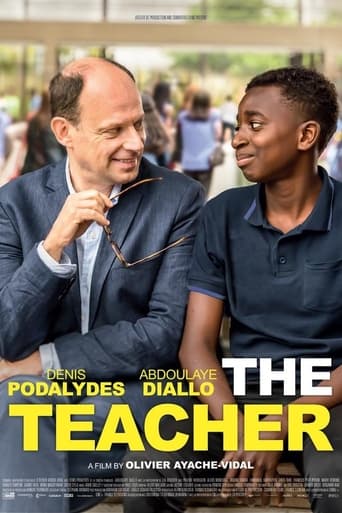
Once in a Lifetime, from 2014, is based on the experience of Ahmed Dramé, who co-wrote it and appears in it: a history teacher at a lycée in Créteil, played by Ariane Ascaride, enters her most restless class for a national competition on remembrance, and the research changes them. The Teacher, from 2017, sends Denis Podalydès's self-assured professor from the grandest school in Paris to a middle school in the suburbs for a year, where he revises his methods and his opinions. Éric Besnard's Miss Violet, from 2024, goes back to the 1880s, when the republic made schooling free and compulsory, and sends Alexandra Lamy as a Parisian schoolmistress to open a classroom in a farming village that would rather keep its children in the fields; Grégory Gadebois is the mayor who comes round first.
The Small Victories, from 2023, completes the set in a lighter key. Julia Piaton plays Alice, mayor of a Breton village of four hundred people and also its only schoolteacher, whose class is joined by Émile, a gruff man of sixty-five played by Michel Blanc, who has decided at last to learn to read and write.
Families and generations
Eighty films turn on family life, and the family guide picks out the most rewarding. Among the comedies, The Fabulous Patars gives Gustave Kervern the part of a widowed father juggling two jobs and two lively daughters, with Camille Cottin as the social worker assigned to the case. Mikado, from 2024, travels with a couple and their two children who live in a van, until a breakdown strands them for a summer in the garden of a schoolteacher. Sweetheart, from 2019, has Sandrine Kiberlain as a mother of three bracing herself for the youngest to leave for Canada. And This is My Mother lets Agnès Jaoui burst into the orderly life of her florist son, played by William Lebghil, for a day he will always remember.
Grandparents hold several films together. Jean-Paul Rouve's Les Souvenirs, from 2014, follows a young night porter, his newly retired father, played by Michel Blanc, and his grandmother, played by Annie Cordy, who slips away from her retirement home towards the Normandy of her childhood. Bon Voyage, Marie, from 2025, packs three generations into a camper van for a last journey together, with Hélène Vincent at its centre. Xavier Beauvois's Sailing Home sets Jean-Paul Rouve and Pierre Richard on the same small boat.
Some of the most affecting films concern children who need more than the usual care, and the adults who rise to it. A Family For 1640 Days, from 2022, is drawn from the director's own childhood: Mélanie Thierry plays a foster mother who has raised a little boy since he was eighteen months old and must prepare him, and herself, for his return to his father. Mr. Know-It-All gives a football coach charge of a nephew with Asperger's syndrome and a gift for chess. A Mother's Special Love, Becoming a Father, A Place for Pierrot and The Wonderers each show a family reorganising itself around one member with warmth and good humour. Waiting for Bojangles, from 2021, sees a marriage of dazzling eccentricity through the eyes of a small son, as Virginie Efira and Romain Duris dance to Nina Simone and move the household to a castle in Spain.
Robert Guédiguian has filmed the same Marseille families with the same actors for forty years, and two of his films are here. In The House by the Sea, from 2017, two brothers and a sister gather at their father's villa above a little bay to decide its future, and the past and the present come ashore together. And the Party Goes On, from 2023, centres on Rosa, a nurse and neighbourhood organiser of sixty, played by Ariane Ascaride, who is surprised by a new love. Alix Delaporte's Angèle and Tony, from 2011, set in a Normandy fishing port, brings together a guarded young woman who wants her son back and a quiet trawlerman, played by Clotilde Hesme and Grégory Gadebois, both of whom won Césars as newcomers.
Romance
Fifty-seven films are love stories, and the romance guide begins with Éric Rohmer's Rendezvous in Paris, from 1995: three short tales of meetings in cafés, parks and a painter's studio, filmed in the streets with a tiny crew and alive with chance. Chance is the whole subject of Happenstance, from 2000, in which Audrey Tautou's shop assistant is told by a stranger on the metro that she will meet the love of her life that very day, and a chain of tiny accidents across Paris, a dropped pebble, a missed coffee, sets about arranging it.
Love Is in the Air, Rémi Bezançon's first film from 2005, gives Vincent Elbaz a pilot instructor with a fear of flying and Marion Cotillard the childhood sweetheart who moves in next door. Queen to Play, from 2009, is a love story with a chessboard at its centre: Sandrine Bonnaire's hotel chambermaid in Corsica becomes fascinated by the game and asks a reclusive American, played by Kevin Kline in French, to teach her. Dance with Him sends Mathilde Seigner back into the saddle under the eye of an old riding master, played by Sami Frey. And Rosalie Blum, from 2016, adapted from Camille Jourdy's graphic novels, has a shy hairdresser trail a grocer he feels sure he has seen before, while she, amused, arranges to have him followed in turn.
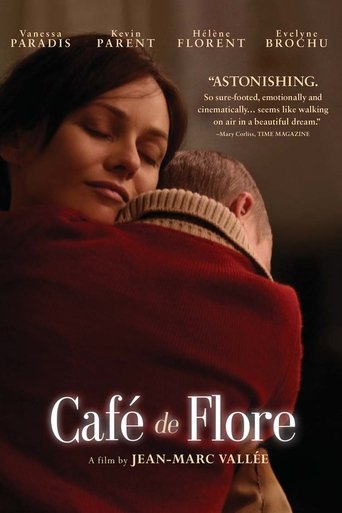
The lighter romances make good Friday viewing: Eloïse's Journey, in which a woman who wakes on a Paris bench with her memory gone investigates her own life; Crush in Jaipur, a road comedy across Rajasthan; and The ABCs of Love, with Vincent Dedienne as a carefree babysitter. Jean-Marc Vallée's Café de Flore, from 2011, is the most ambitious love story in the catalogue, joining a mother and her son in the Paris of 1969, played by Vanessa Paradis, to a disc jockey in present-day Montreal through a single piece of music.
History, true stories and adventure
Thirty-seven films look to the past or set out on a journey, and the history and adventure guide arranges them. The Royal Exchange, from 2017, tells a true episode of 1721: to seal a peace, the Regent of France proposes that the eleven-year-old Louis XV marry a Spanish infanta of four, while his own daughter of twelve is sent to marry the heir to Spain. The children are exchanged on an island in a border river, and the film watches them, with sympathy and splendid costumes, as they try to become what the courts require. The Colors of Fire, which Clovis Cornillac directed in 2022 from Pierre Lemaitre's novel, opens at a great banker's funeral in 1927 and follows his daughter, played by Léa Drucker, as she loses a fortune to schemers and patiently sets about recovering it.
The Tiger and The President is a comedy of 1920, when the unknown Paul Deschanel defeated Georges Clemenceau for the presidency and then, one night, stepped out of a moving train in his pyjamas; Jacques Gamblin and André Dussollier play the idealist and the old lion. Marie-Antoinette, la véritable histoire recounts the queen's life from her arrival at Versailles. Blame It on Fidel!, from 2006, sees the politics of 1970 through the eyes of nine-year-old Anna, whose comfortable parents suddenly take up causes, move to a small flat and fill it with bearded visitors.
Sport supplies three true stories. The Rocket, from 2005, is the life of Maurice Richard, the Montreal factory hand who became ice hockey's greatest scorer and a hero to French Canada, with Roy Dupuis in the part. Louis Cyr: The Strongest Man in the World goes back to the 1880s and the Quebec strongman who lifted platforms of spectators on his back. Marinette, from 2023, follows Marinette Pichon from a village pitch to the French national side and on to a professional career in the United States. Les Petits Princes is fiction on the same ground: a boy admitted to a football academy keeps a secret from the doctors.
For pure adventure there is Michael Strogoff, the 1956 colour spectacle from Jules Verne, with Curd Jürgens as the tsar's courier riding across Siberia; Clash of Steel, a swashbuckler of 1962 with the dashing Chevalier de Pardaillan; Raúl Ruiz's dreamlike Treasure Island; Christian-Jaque's If All the Guys in the World..., in which radio amateurs across Europe pass a call for help from a trawler; and Philippe de Broca's The African, which reunites Catherine Deneuve and Philippe Noiret as a long-separated couple quarrelling their way across the savannah among elephants.
Quebec
Seven films come from Canada, and the Quebec guide introduces them. Beside the sporting biographies and Café de Flore stand two films by Sébastien Pilote set in the Saguenay region: The Salesman, in which a veteran car dealer in a town whose paper mill is closing goes on doing his job with pride, and The Auction. Monia Chokri's short An Extraordinary Person is a sharp comedy of a brilliant young academic at a party. And Matthew Rankin's Universal Language, from 2024, is a deadpan marvel set in a Winnipeg where everyone speaks Persian and French, two children try to free a banknote frozen in ice, and a civil servant travels home to see his mother.
The new films
Forty-four films date from 2020 onwards, and the new films guide keeps track of them. Several star Grégory Gadebois, the most frequent face on Cineapse with seven appearances. In A Great Friend, from 2023, he is a gentle hermit in the mountains whose peace is interrupted by a talkative tycoon, played by Lambert Wilson, when a sports car breaks down outside his cabin. In The Jolly Forgers, directed by and starring Yolande Moreau, he is one of three tenants who help a shy canteen worker keep her family mansion by unconventional means.
The freshest titles reach into this year. Pascal Bonitzer's Hugo, from 2026, has Fabrice Luchini as an actor steeped in the poetry of Victor Hugo. Whatever It Takes pairs Sandrine Kiberlain and Pierre Lottin as opposites thrown together. The Incredible Snow Woman sends Blanche Gardin's polar explorer home to her brothers in the Jura. Les Rêveurs, Isabelle Carré's first film as director, is drawn from her own adolescence, and Tell Her That I Love Her is Romane Bohringer's adaptation of a book about mothers and daughters. All to Play For, with Virginie Efira as a mother fighting to bring her younger son home, and Juliette in Spring, a warm family comedy with Jean-Pierre Darroussin, are two more to mark.
Other pages help with the practical side. The how to watch page explains the path from a title to a service; the comedy guide and the drama guide give short routes through the two largest shelves; the directors guide groups films by their makers; and watching in French covers subtitles and titles.
Search, lists and My List
The search field in the header answers as you type. It recognises the English title and the French one, so Tandem, Un cœur en hiver and A Heart in Winter all arrive at the right page, and it sets aside filler words such as watch, online and free. The finding titles page describes the search, the lists and the A to Z, which sets out all 169 films in alphabetical order.
Seventeen lists divide the catalogue. Six follow the calendar, from the forties and fifties to 2020 onwards. Nine follow subject: comedy, drama, romance, family, music and stage, work and school, history and adventure, Quebec and classics. Top rated holds the fifty-seven films that viewers have scored highest, and All titles holds everything. A film may sit in several lists at once, so French Cancan can be found under comedy, romance, music and stage, classics and the fifties alike.
My List is the shortlist you build as you browse. Each film page carries an Add to My List button, and the My List link in the header opens the collected titles as a grid of posters. The browser stores the shortlist on your own device, so it is waiting on your next visit, and the list page can save it to a file to carry to another device. The My List page gives the steps.
A film page on Cineapse is laid out for a quick decision. The still and poster come first, then the year, running time and genres, then the story in a paragraph, then the director and cast, and finally the country selector with its Watch now button. Fifteen countries are offered, from France, Belgium, Switzerland and Canada to the United States, the United Kingdom and Australia, and the choice is remembered for the next film.
A month of French films
A simple plan for four weekends shows the range. On the first, take the three films of the first evening: Three Men and a Cradle, A Heart in Winter and Full Time. On the second, go back to the classics with French Cancan, Edward and Caroline and The Suitor, and add Bebert and the Train for the younger members of the household. On the third, choose from the working lives and the classrooms: The Measure of a Man, It All Starts Today and The Small Victories. On the fourth, end with music and good company: Swing, Tandem and The Music Teacher. By then the rows on the home page will look like a map of familiar country, and the smaller roads of French films will feel like home.
Questions and answers
Questions
What is Cineapse?
Cineapse is a guide to 169 French-language films chosen for the whole household, each with its story, cast and a Watch now button to the official services that carry it.
Which film should I watch first?
Start with Three Men and a Cradle, A Heart in Winter or Full Time. They introduce the comedy, the drama and the new films of the catalogue.
Is the catalogue suitable for families?
Yes. Every film was read through by hand, and thrillers, horror, battlefield stories and films made strictly for adults were left out.
Are the films in French?
Yes. Every film was made in French, in France, Belgium, Switzerland or Quebec, and most services offer the original sound with English subtitles.
How old are the films?
Forty-three date from 1945 to 1979 and form the Classics list, and forty-four have appeared since 2020.
Which directors are best represented?
Claude Sautet and Jean Renoir have three films each, and Pierre Étaix, René Clair, Patrice Leconte, François Truffaut and Stéphane Brizé have two.
How does My List work?
Press Add to My List on any film page. The browser stores the list on your own device, and the list page can save it to a file.
Does Cineapse host films or downloads?
Cineapse is a guide only. Every Watch now button opens JustWatch, which lists the official streaming, rental and purchase services for your country.